Ozempic for Seniors: Side Effects, Risks, and What Older Adults Should Know | Senior Help And You
Ozempic: What Senior Citizens Might Not Know
As we grow older, more medicines are prescribed, which is why every medication deserves a closer look. One of the most talked-about medications today is Ozempic—frequently discussed by physicians, family members, and in health news coverage. While it has helped many people manage type 2 diabetes, research shows that older adults may face different risks and considerations when using GLP-1 medications like Ozempic (Graham, 2023; AAMC, n.d.).
Key Points to Know Right Away
Seniors may experience stronger or faster side effects than younger adults
Appetite loss and dehydration can increase the risk of weakness and falls
Close monitoring and open communication with healthcare providers are essential
What Is Ozempic?
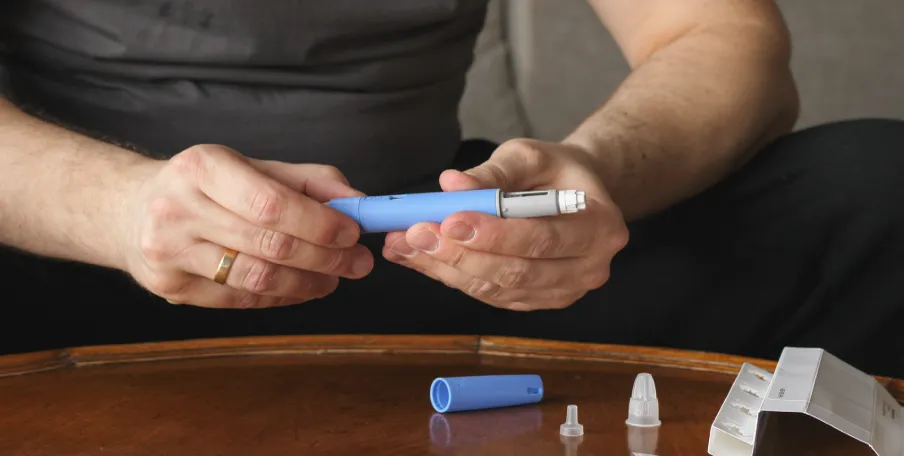
Ozempic (generic name: semaglutide) is a prescription medication used to help control type 2 diabetes. It works by stimulating insulin release, lowering blood sugar, and slowing digestion—helping people feel full longer. Some individuals also experience weight loss while taking it.
According to medical literature, while Ozempic can be effective, age-related changes in muscle mass, kidney function, and hydration make medication response more complex for seniors (Kommu & Whitfield, 2024).
Think About the Side Effects
Side effects may occur as the body adjusts to Ozempic. Evidence suggests these effects can be more pronounced in older adults, especially those managing multiple health conditions (NICHE, 2024).
Common side effects include:
Nausea or upset stomach
Vomiting or diarrhea
Constipation
Reduced appetite
Even mild digestive issues can lead to dehydration, dizziness, and fatigue, increasing fall risk in seniors.
Other side effects to monitor carefully:
Lightheadedness or fatigue, particularly when standing
Low blood sugar when combined with insulin or sulfonylureas (glimepiride, glyburide, glipizide, gliclazide)
Kidney strain, often related to dehydration
Gallbladder issues (upper right abdominal pain)
Vision changes in people with diabetic eye disease
Medical experts caution that dehydration-related kidney injury and muscle loss may be more dangerous for older adults, especially those with existing kidney disease or frailty (Garrett, 2024).
A Thoughtful, Gentle Approach: The Best Way Forward
If you are taking Ozempic—or considering it—the goal is not fear, but informed and personalized care.
Practical steps for seniors include:
Discuss all symptoms openly with your physician, even mild ones
Start with the lowest dose and increase slowly
Maintain hydration, especially if appetite decreases
Eat balanced meals with adequate protein to preserve muscle mass
Monitor vision, digestion, and energy levels consistently
Research emphasizes that weight loss in older adults must be carefully managed to avoid unintended muscle loss and functional decline (NICHE, 2024; AAMC, n.d.).
Keep in Mind
Ozempic itself is not inherently “good” or “bad.” It is a medical tool. For seniors, safe use depends on individualized care, routine monitoring, and shared decision-making with healthcare professionals.
Staying informed and asking questions empowers seniors to protect both their health and independence.
Guidance Matters as Much as Medication
Understanding medications like Ozempic is part of protecting your long-term health—but navigating these decisions alone can be overwhelming.
At Senior Help And You, we help seniors and retirees understand how healthcare decisions fit into the bigger picture of Medicare, prescription coverage, and retirement planning. Our role is to provide clarity, education, and guidance—without pressure.
👉 Learn more or schedule a free consultation at https://ajfinsuranceservices.com
For additional trusted medical information, visit:
Mayo Clinic – https://www.mayoclinic.org
National Institute of Diabetes and Digestive and Kidney Diseases – https://www.niddk.nih.gov
Centers for Disease Control and Prevention – https://www.cdc.gov/diabetes
3 Key Takeaways
Seniors may experience Ozempic side effects more strongly due to age-related changes
Dehydration, muscle loss, and kidney strain deserve close attention
Personalized guidance helps seniors use medications safely and confidently
References (APA Format)
Graham, J. (2023). What seniors should know about Ozempic and new weight loss drugs. National Institutes of Health.
https://www.ncbi.nlm.nih.gov/search/research-news/19215/
National Initiative for the Care of the Elderly. (2024). Weight loss drugs and older adults.
https://www.nicenet.ca/articles/seniors-and-weight-loss-drugs-ozempic-and-wegovy
Association of American Medical Colleges. (n.d.). Are GLP-1 weight-loss drugs safe for older adults?
https://www.aamc.org/news/are-glp-1-weight-loss-drugs-safe-older-adults
Garrett, J. (2024). Why are GLP-1 drugs like Ozempic risky for older adults? Department of Medicine, UNC.
https://www.med.unc.edu/medicine/news/batsis-glp-1-drugs-risk-for-older-adults/
Kommu, S., & Whitfield, P. (2024). Semaglutide. StatPearls Publishing.
https://www.ncbi.nlm.nih.gov/books/?Db=pmc&DbFrom=books&Cmd=Link&LinkName=books_pmc_refs&IdsFromResult=5624614
Disclaimer: This information is provided for general educational purposes only and does not constitute official Medicare guidance. Interactions with a Medicare agent should not be interpreted as legal, financial, or tax advice. Plan details, eligibility, and benefits vary by carrier and may change. Always verify information directly with Medicare, the plan sponsor, or a licensed professional before making enrollment decisions.
