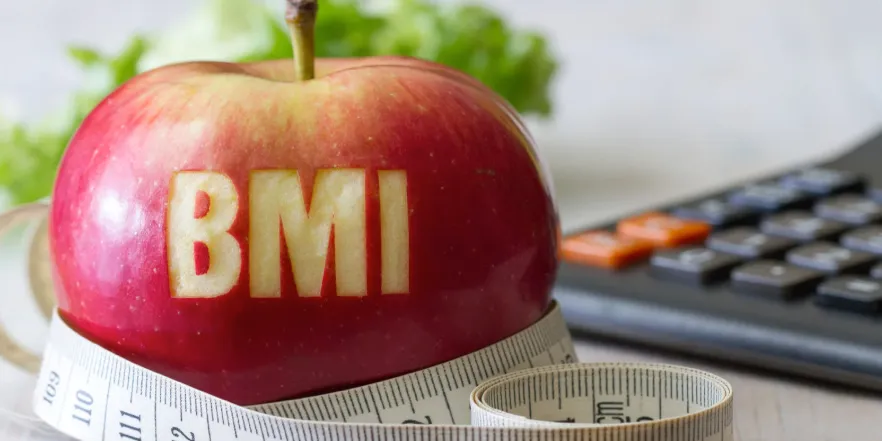
BMI for Seniors Explained: What Your Weight Really Means
BMI for Seniors: Simple Number… Big Health Clues
You’ve probably heard your doctor mention BMI.
But most people don’t really nderstand what it means—or why it matters.
Here’s the truth:
BMI is not just a number.
It’s a starting point to understand your health.
And for seniors, that matters more than ever.
Because small changes in weight can lead to big changes in health.
3 Key Points
BMI helps identify if your weight may be affecting your health
It is a simple screening tool—not a full diagnosis
For seniors, tracking trends matters more than the number itself
What Is BMI (In Plain English)
BMI stands for Body Mass Index.
It uses your:
Height
Weight
To estimate if you are in a healthy range.
👉 Formula:
Weight ÷ height²
Healthcare providers use this to quickly categorize your weight status.
BMI Categories (Simple Breakdown)
According to health guidelines:
Underweight: Below 18.5
Healthy: 18.5 – 24.9
Overweight: 25 – 29.9
Obese: 30+
Why BMI Is So Widely Used
Because it’s:
Quick
Easy
Consistent
Doctors use it as a starting point to evaluate risk.
Your health is not a guessing game.
📞 Call 520-252-5275 to review your health, coverage, and protection options.
Why BMI Matters More As You Age
As we get older, the body changes:
Muscle mass decreases
Fat distribution shifts
Metabolism slows down
This means:
👉 Weight changes can impact health faster
Tracking BMI over time helps:
Spot early warning signs
Prevent chronic conditions
Guide lifestyle decisions
But Here’s What BMI Does NOT Tell You
BMI is helpful—but not perfect.
It does NOT measure:
Muscle vs fat
Bone density
Where fat is stored
👉 That means:
Two people can have the same BMI…
But very different health risks.
What Seniors Should Focus On Instead
Don’t obsess over the number.
Focus on:
Trends over time
Energy levels
Mobility and strength
Overall health markers
BMI is a guide—not the final answer.
The Real Risk Most Seniors Face
It’s not just being overweight.
It’s:
Sudden weight loss
Gradual weight gain
Lack of monitoring
👉 These often go unnoticed… until they become serious.
How This Connects to Your Financial Health
Here’s something most people don’t think about:
Health impacts finances.
More doctor visits
Higher medication costs
Increased need for care
Possible
The Mistake That Can Get You Declined
Most people apply for life insurance without preparation.
And here’s what happens:
👉 They get rated higher
👉 Or worse—declined
Not because they were uninsurable…
But because they applied the wrong way.
Your BMI is one piece of the puzzle.
But how it’s presented matters just as much.
👉 That’s why planning matters.
“Approval is not just about your health—it’s about strategy.”
Let’s make sure you apply the right way the first time.
📞 Call 520-252-5275
Senior Help And You will guide you step-by-step.
Conclusion
BMI is simple—but powerful when used correctly.
It helps you:
Stay aware
Catch issues early
Make better decisions
But it should never be used alone.
👉 Combine it with guidance, planning, and proper support.
Senior Help And You helps you connect your health with your financial protection.
📞 Call 520-252-5275 for a simple, no-pressure review.
3 Takeaways
BMI is a useful starting point—but not the full picture
Tracking changes over time is more important than one number
Health and financial planning go hand in hand
References
Centers for Disease Control and Prevention
National Heart, Lung, and Blood Institute
National Institute on Aging
Source document:
Author:
Albert Ferrin, RSSA®
Founder, Senior Help And You LLC
